The back story
Arcades, a poet’s name and a butcher from Prague: Milan’s shopping, the back story
The Galleria, Rinascente’s poet-given name, Peck since 1883 and the Quadrilatero’s four streets.

Photo Credit
Image courtesy of © Terragio67 · CC BY-SA 4.0 via Wikimedia CommonsMilan shops the way it builds: under glass, behind courtyards and with an eye on the long term. Its arcade is Italy’s oldest shopping mall, its department store was named by a poet, and its best delicatessen was founded by a butcher from Prague. Why does a city of manufacturers shop like a museum? The answer is in the history of the places on our list, from the Galleria to the Quadrilatero and the concept stores that followed.
A glass roof and a lucky bull
The Galleria Vittorio Emanuele II, designed by Giuseppe Mengoni, began with a first stone in 1865 and opened, unfinished, in 1867. The tourism board calls it Italy’s oldest shopping mall: about 200 metres long, under a dome some 47 metres high, built with 350 tonnes of iron. Mengoni died in a fall from its scaffolding shortly before the arch was unveiled, and never saw it complete.
It is still run like a civic drawing room. The Comune lets its shops by public tender, for 18 years at a time, and the signs must be in gold lettering on a black background. Libreria Bocca has sold books in the Galleria since 1930. Visitors, meanwhile, spin a heel three times on the mosaic bull for luck, which is the only part of the Galleria that has never needed a tender.
Named by a poet
Rinascente began with the Bocconi brothers, who opened their first shop on 4 June 1865. In 1917 the owner asked the poet Gabriele D’Annunzio for a new name, and La Rinascente, ‘the reborn’, opened on 7 December 1918. A few days later it burned down. It reopened in 1921, earning the name twice over.
Bombed in August 1943, it reopened on 4 December 1950 and in 1954 founded the Compasso d’Oro design award. In 2007 it opened its Food Hall on the seventh floor, beside the Duomo. A department store that hands out design prizes tells you a good deal about how Milan sees shopping: as culture with a till.
A butcher from Prague
Food has its own dynasties. Peck was opened in 1883 by Francesco Peck, a butcher from Prague, on Via Orefici; by 1890 it supplied the House of Savoy, and early in the last century it moved to Via Spadari, where it still is, at No. 9. Il Salumaio di Montenapoleone, founded by the Travaini family in 1957, now trades in the Palazzo Bagatti Valsecchi, a few steps from its first address.
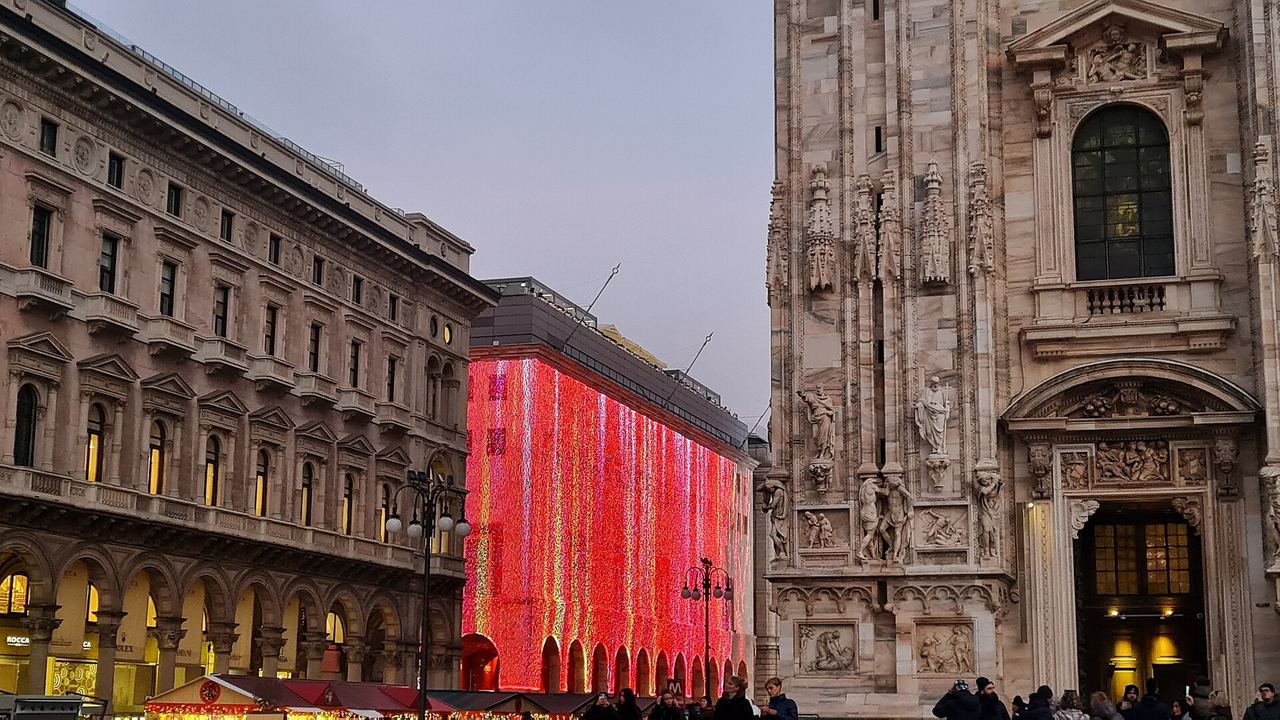
Photo Credit
Image courtesy of © HeavenMI · CC BY-SA 4.0 via Wikimedia CommonsThe newer food halls work on a grander scale. Mercato Centrale Milano fills two floors inside Stazione Centrale with 32 shops, open every day from 6.30am to 11pm, and Eataly Milano Smeraldo on Piazza XXV Aprile keeps the same late hours from 8am.
A city of makers has always known that the shop is where the making gets its applause.
Four streets and a concept store
Fashion found its address in the Quadrilatero, which the tourism board draws with Via Montenapoleone, Via Manzoni, Via della Spiga and Corso Venezia. It adds that in 2024 Via Montenapoleone overtook Fifth Avenue as the world’s most expensive retail destination. Larusmiani, a tailor since 1922, opened on Via Monte Napoleone in 1954.
Around the big names, Milan’s independents do the editing. Antonia was established in 1999 by Antonia Giacinti as an accessories store and now sells designer womenswear and menswear on Via Cusani and on Via Sant’Andrea, inside Portrait Milano. Wait and See, on Via Santa Marta, opens every day of the week, and Cavalli e Nastri was founded by Claudia Jesi, whom the shop calls a pioneer of vintage culture in Italy.
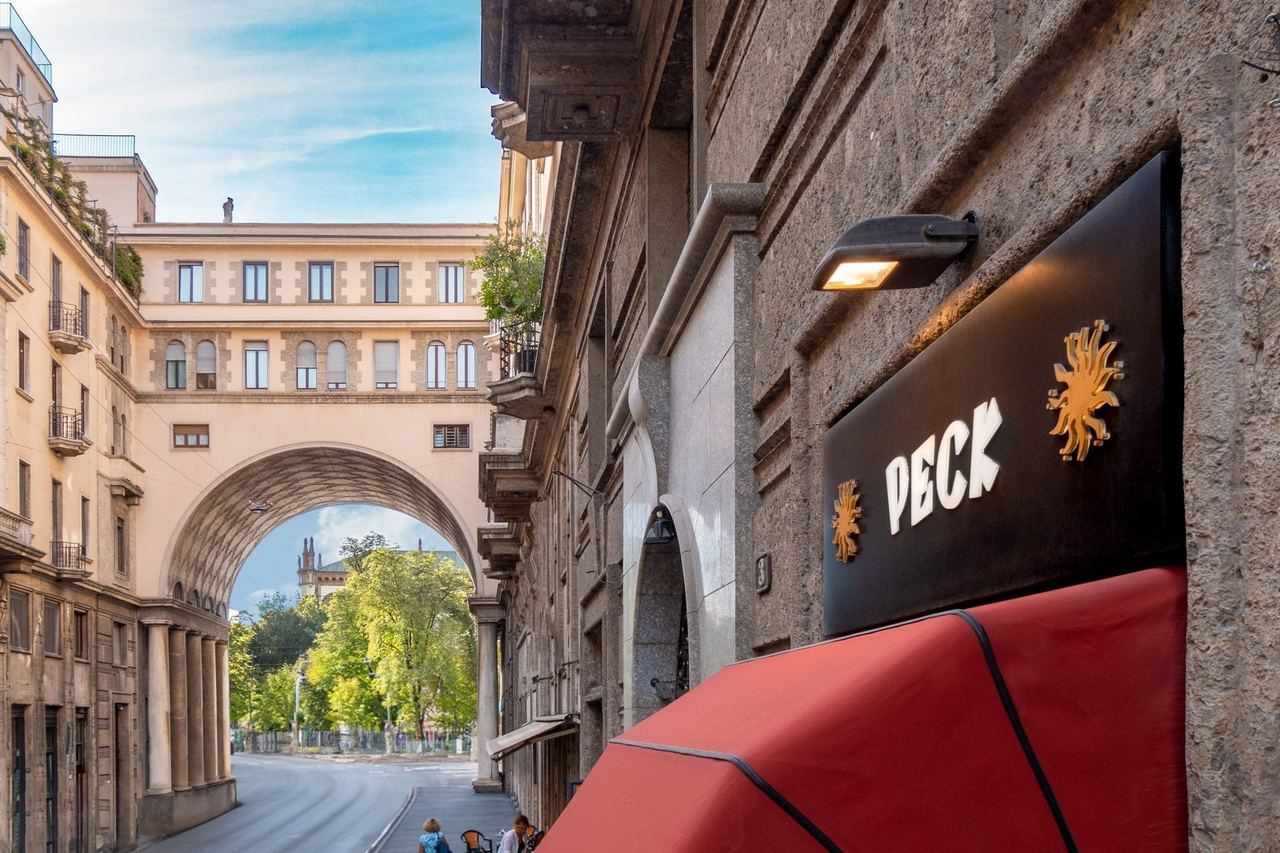
Photo Credit
Image courtesy of © PeckThen Milan reinvented the shop itself. 10 Corso Como opened in 1991 in a former garage as what it calls the first concept destination. Rossana Orlandi left fashion in 2002 to open her design gallery on Via Matteo Bandello, where the old cubby-holes once held the yarns of a tie factory. A city of makers has always known that the shop is where the making gets its applause.
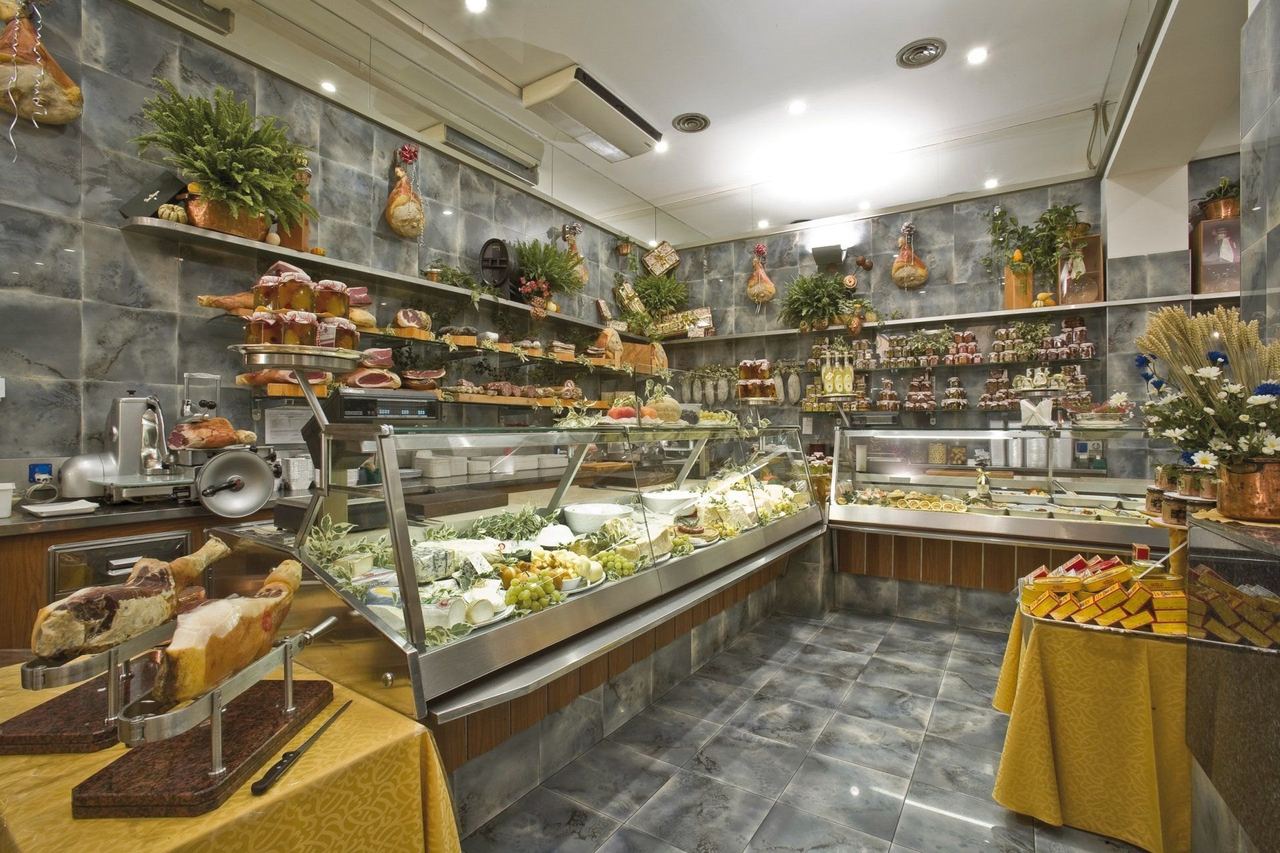
Photo Credit
Image courtesy of © Il Salumaio di MontenapoleoneOur advice: walk the Galleria early, before the crowds, and look up; shop the Quadrilatero on a weekday morning; and keep the food for last, at Peck or Il Salumaio. For something nobody else has, try the vintage rails on Via Brera.
Why it's on our list
- A glass roof and a lucky bull
- Named by a poet
- A butcher from Prague
- The concept store
Location
The map comes from Google Maps, which sets its own cookies once it loads.
More in depth
 The back storyBrera palazzi and Porta Nuova towers: buying in MilanWhere people buy in Milan, and how a sale works in Italy.
 Interiors with Tara de la Motte · Milan editionThe Milan kitchen: where design capital meets home cookingPlanning a kitchen in a Milan apartment, from courtyard flats to palazzo floors.
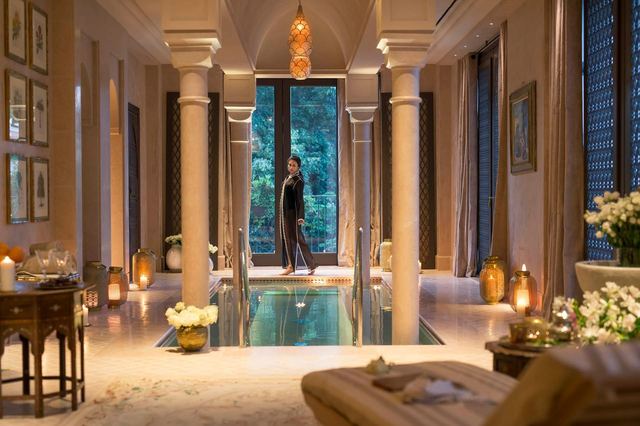 Interiors with Tara de la Motte · Milan editionThe Milan bathroom: a retreat behind the courtyardPlanning a calm bathroom in a Milan apartment, with lessons from the city’s grand spas.